sana
|
December 8, 2025
Have you ever found yourself standing in the mirror one too many times, wondering just why the hell the usual regimen is not giving you the goddamn results you need so badly? It could be that you need to unlock the secret to your skin's ultimate potential.
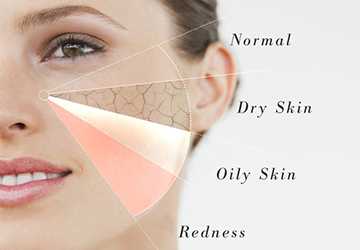
Your skin is unique, like a fingerprint. It is a fantastic combination of genetic composition, environmental influences, and everyday routines. Knowing your skin type is the first step in building a targeted skincare regimen that works wonders for you.
This blog post will share four steps to help you determine your skin type. You are ready to say farewell to hit-or-miss and welcome your healthiest and most radiant skin.
Let's get started!
Why Identifying Your Skin Type is Important?
Do you ever wonder why these skincare products are doomed to fail to show the expected results? There could be one reason for using the wrong products for your skin type.
From dryness and irritation to breakouts and even premature ageing—all symptoms of using the wrong products. Imagine how frustrating it would be to have invested your time and money into a skin routine for your skin to worsen.
Products specially formulated for its unique needs would make a difference in your world. Your skin would look and feel radiant, balanced, and healthy.
Knowing your skin type and product selection is the next-level step in your skincare game. So, let's jump in and find your skin type!
1. Visual Examination
When you determine your skin type, look at your face in the natural light. Is it shiny and oily, or quite tight and dry? Are your pores large and visible or relatively small and almost invisible? Do you see redness, flakiness, or blemishes?
These are visual signals that indicate your skin type; for instance, if your skin is shiny and pores are visible, it is likely to be oily.
When your skin feels tight, it is one of the symptoms of dry skin in the event of flaky patches developing on your skin.
By taking these details into perspective, you can start understanding the features and necessities of your skin.
2. Texture Test
For a more practical approach, try the texture test: Gently take a clean tissue and press it against several parts of the face, e.g., the forehead, nose, and cheeks.
Hold the tissue towards the light to check how much oil it absorbs. Your skin is probably oily if the tissue is thoroughly saturated with oil. If little to no oil is absorbed, your skin is more likely to dry.
This simple test is something that you can do to help you understand more concretely how much oil your skin is producing and help you classify your skin.
3. Reaction to Products
You can also determine your skin type by observing how your skin reacts to the different cleansing products. If, after some leave, you feel greasiness or congestion, then you probably have oily skin.
Dry skin is indicated if applied products leave your face dry and flaky. But always remember, every time you introduce a new product, make sure to patch test on a small area of your skin, check its reaction, and avoid possible irritation or breakouts.
That way, you can quickly learn your skin type by observing how it reacts to different products, which can help you personalize your skin care procedure.
4. Consultation with a Dermatologist
See a dermatologist or a skincare professional if you need help determining your skin type or are battling multiple complicated issues. They can assess your whole skin and recommend a plan for your needs.
Moreover, a professional will help define the culprits that hide behind, be it acne, rosacea, or eczema, and assist you in choosing the best option for treatment.

This specialist can develop your personalized skincare routine, catering to your unique needs and objectives.
Seek expert advice to take the guesswork out of your skincare and achieve the healthy, radiant skin you deserve.
The Impact of Hormonal Changes on Skin Type
Understanding the influence of hormonal changes on your skin is crucial for effectively identifying and managing your skin type over time.
Hormones can significantly affect the skin's oil production, hydration levels, and overall resilience, which may cause shifts in skin type or exacerbate skin conditions.
For example, during puberty, increased androgen levels can lead to an oilier complexion and the development of acne. Similarly, hormonal fluctuations during menstrual cycles, pregnancy, or menopause can also trigger skin texture and moisture changes, often leading to dryness or sensitivity.
These hormonal effects are significant because they can temporarily or permanently alter your skin type. For instance, depending on hormonal shifts, someone with normal skin might experience increased dryness or oiliness.
Recognizing these patterns can help you adapt your skincare routine to accommodate changing needs, ensuring your skin remains balanced and healthy.
Furthermore, stress-related hormones like cortisol can also impact your skin. High cortisol levels can lead to increased oil production and weaken the skin's ability to retain moisture, making it more prone to acne and dryness.
Managing stress through mindfulness, adequate sleep, and proper nutrition can thus play a significant role in maintaining the health & appearance of your skin.
By being aware of how hormonal changes can influence your skin type, you can make more informed decisions about the products & treatments best suited for your skin at different times.
This knowledge helps effectively manage your skin's health and ensures that your skincare approach is flexible and responsive to your body's internal changes.
Embrace Your Unique Skin Journey!
Identifying your skin is the first step towards achieving your healthiest, most radiant complexion.
Understanding your skin's unique needs can help you choose the best products and treatments.
Don't be afraid to experiment and listen to your skin. If something isn't working, don't hesitate to change it.
Remember, skincare is a journey, not a destination. Embrace discovering what makes your skin look and feel its best. Your complexion will thank you!